

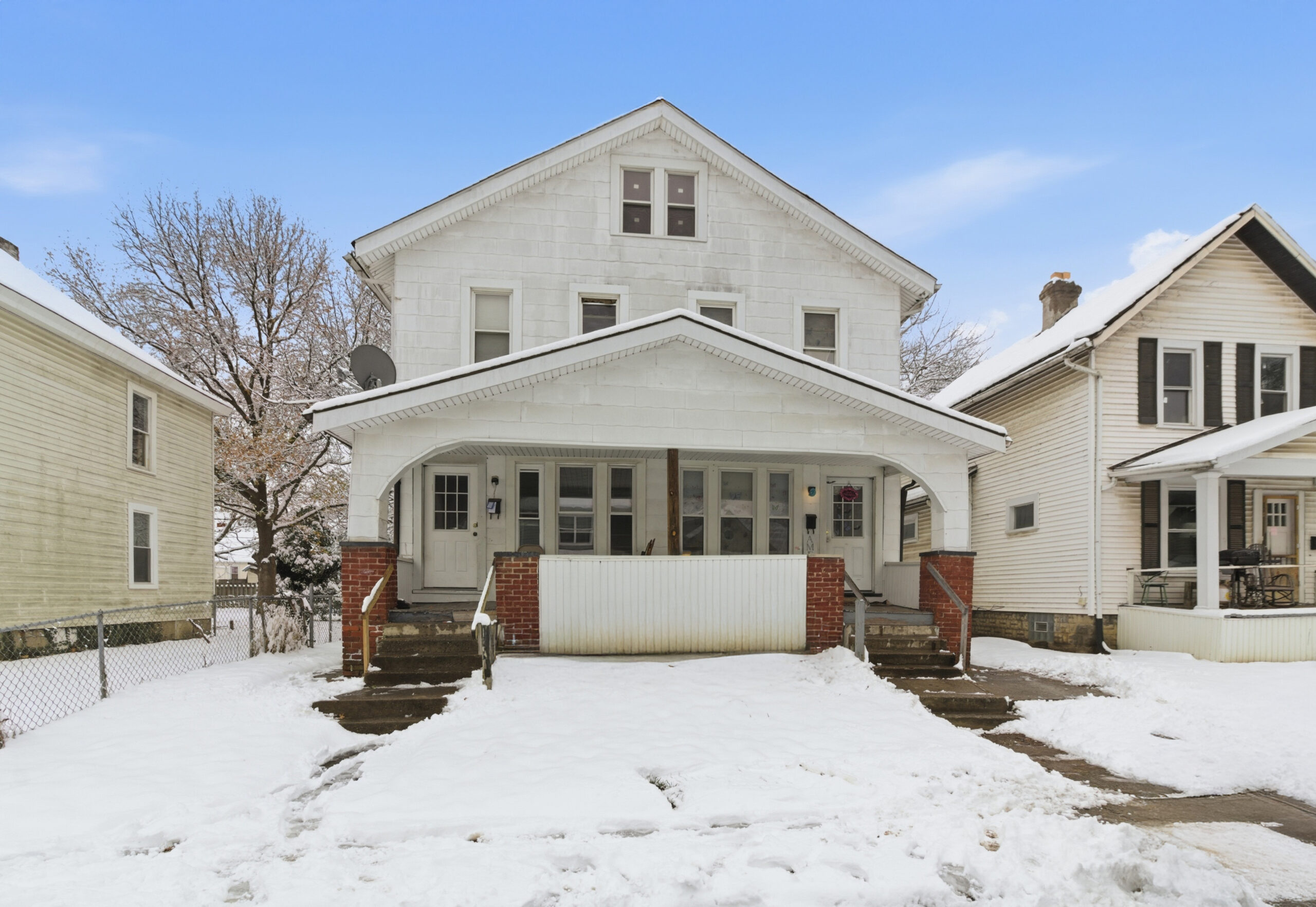
Winter in Columbus, Ohio doesn’t mess around. When temperatures plunge, snow piles up, and wind chills drop into dangerous territory, even well-prepared homeowners can get caught off guard. Knowing how to protect your home, prevent costly damage, and stay safe during extreme cold can make all the difference. This guide covers practical, winter tips for your home to help Central Ohio homeowners get through snowstorms and deep freezes with confidence.
How to Keep Your Home Warmer (Without Wasting Money)
When temperatures drop into the teens or single digits, heat loss becomes your biggest enemy.
Smart ways to retain heat:
- Seal drafts around doors and windows with weather stripping or draft blockers
- Close blinds and curtains at night to reduce heat loss through glass
- Keep interior doors open to allow warm air to circulate
- Reverse ceiling fans to spin clockwise at low speed (this pushes warm air down)
- Avoid cranking the thermostat too high—steady temperatures are more efficient
Little-known tip:
Homes lose the most heat through attics and basements, not walls. Even small gaps in attic access panels can dramatically impact indoor temperatures.
How to Keep Pipes From Freezing (and Bursting)

Frozen pipes are one of the most expensive winter disasters homeowners face.
Prevention steps that actually work:
- Let faucets drip slightly during extreme cold (especially overnight)
- Open cabinet doors under sinks to allow warm air to reach pipes
- Insulate exposed pipes in basements, crawlspaces, and garages
- Disconnect garden hoses and shut off exterior water lines
- Keep your thermostat at a consistent temperature—even if you leave town
If pipes freeze:
Never use open flames. Use warm towels, a hair dryer, or space heater placed safely nearby.
Columbus-specific note:
Older homes and split-levels in Central Ohio often have pipes running through exterior walls—these are the first to freeze.
What You Should Always Have at Home During Extreme Cold
When roads are bad and power outages happen, being prepared matters. make sure to follow these winter tips for your home:
Winter Emergency Kit Essentials
Keep these items in one place:
- Flashlights and extra batteries
- Portable phone chargers or power banks
- Bottled water (1 gallon per person per day)
- Non-perishable food (protein bars, canned goods, dry snacks)
- Manual can opener
- Blankets and extra warm clothing
- First aid kit
- Battery-powered or hand-crank radio
Extra smart additions:
- Space heater rated for indoor use
- Carbon monoxide detector with fresh batteries
- Matches or lighters (stored safely)
Shoveling Snow the Smart (and Safe) Way
Snow shoveling sends more people to the ER each winter than most people realize.
Safer shoveling tips:
- Push snow instead of lifting when possible
- Lift with your legs, not your back
- Take frequent breaks
- Avoid shoveling heavy, wet snow all at once
- Stay hydrated—even in cold weather
Pro tip:
Shovel early and often. Letting snow compact makes it heavier and more dangerous.
Kitty Litter vs Salt: What Actually Works?
When it comes to icy sidewalks and driveways, both have a role.
Rock Salt
Pros:
- Melts ice effectively
- Widely available
Cons:
- Less effective below ~15°F
- Can damage concrete, plants, and pets’ paws
Kitty Litter (Non-Clumping)
Pros:
- Provides traction when salt won’t melt ice
- Safer for pets and concrete
- Works well in extreme cold
Best approach:
Use salt to melt, then kitty litter for traction when temperatures are too low for melting.
Little-Known Things That Happen in Extreme Cold
When temperatures reach today’s levels, a few surprising things occur:
- Gas meters and regulators can freeze
- Garage doors can stick to the ground
- Batteries (cars, phones, tools) drain faster
- Ice dams can form on roofs, causing interior leaks
- Wood contracts, leading to new creaks and cracks
Columbus homes with older roofs or shallow gutters are especially prone to ice dam issues.
When Winter Makes You Rethink Your Home
Severe weather has a way of exposing problems—drafty rooms, outdated insulation, poor layouts, or maintenance issues that don’t show up in milder seasons. For many Central Ohio homeowners, winter storms become the moment they start thinking about upgrades, renovations, or even a move.
Sell For 1 Percent helps homeowners make those decisions with clarity. By using modern technology and efficient systems, sellers pay just a 1% listing fee, saving thousands in commission while still receiving full-service representation. Buyers receive the same level of expertise, backed by 30+ years of combined local experience, whether upgrading, downsizing, or relocating within Central Ohio.
Sometimes the cold doesn’t just test your furnace—it helps clarify what you really want from your home. Make sure to follow these winter tips for your home!