

The team from Sell for 1% sat down this week with Rich from Equitable Mortgage to break down the latest mortgage rate news — and there’s plenty to unpack.
The headline? Mortgage interest rates aren’t moving… for now. And while that sounds simple, the ripple effects across the housing market, the national debt, and even political debates make it a lot more complicated.
Rates Hold Steady — For Now
The Federal Reserve announced that rates would remain the same. No cuts, no hikes, just… nothing. And there’s no clear sign of a September rate cut either — everything will be “data dependent.” That means they’ll wait to see how the economy performs before making a move.
The tricky part? The economy is showing solid numbers: inflation is down, jobs are steady, and growth is up. So why not cut rates to help homebuyers?
The Bigger Picture: It’s Not Just Homeowners Who Pay the Price
Rich pointed out that higher rates don’t just hit buyers — they also hit the federal government. With over $34 trillion in national debt, every percentage point in interest adds roughly $800 billion in extra payments annually. That’s money going out the door just to cover interest, not even touching the principal.
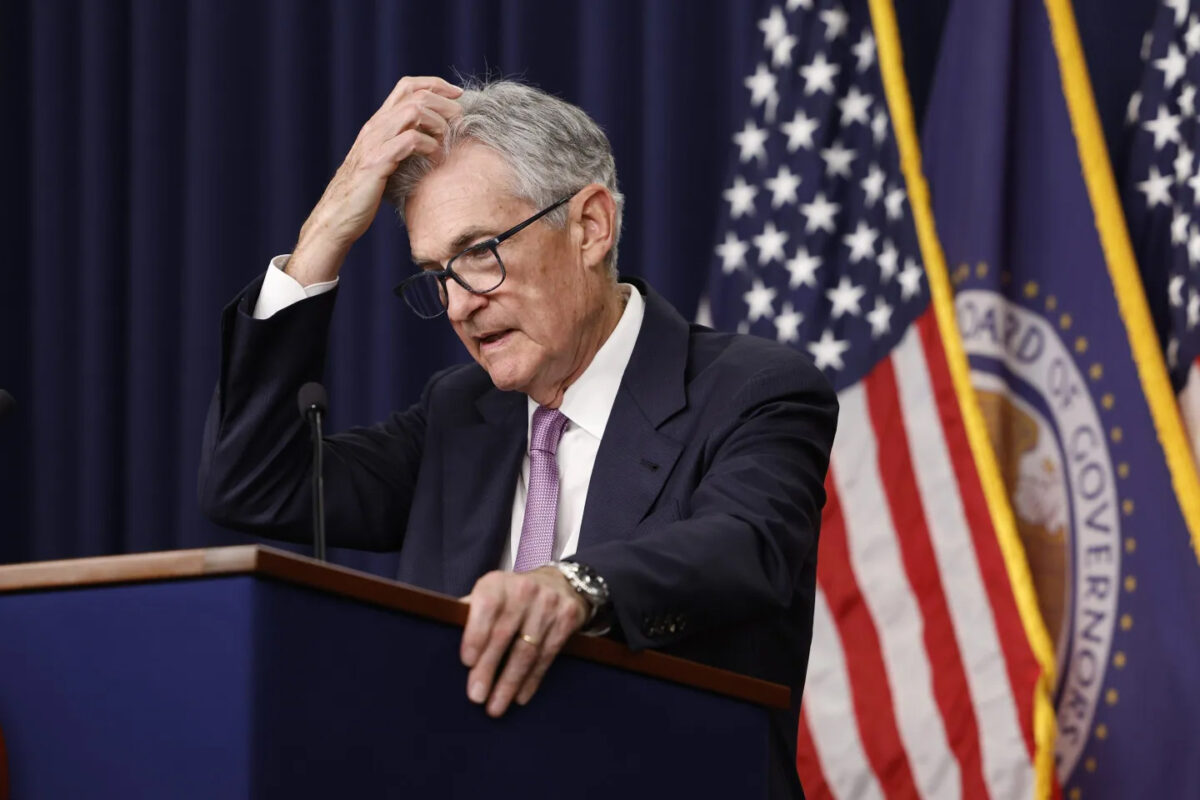
Lower rates could help everyone… but “Uncle Jerry” (Fed Chair Jerome Powell) isn’t budging yet.
Politics Enter the Chat
Former President Donald Trump didn’t hold back in criticizing Powell, calling him “too late” and “too political” in his Truth Social posts. The back-and-forth between political figures and the Fed adds another layer of tension to already high-stakes economic decisions.
Is the Housing Market in a Recession?
Here’s where things get interesting: the housing segment of the economy might already be in recession. While the broader economy looks strong, housing activity has slowed. In places like Columbus, the market is still moving — thanks in part to competitive pricing models like Sell for 1% — but nationwide, the slowdown is real.
Days on market are creeping up, inventory is rising, and certain regions, like Florida’s west coast, are feeling the pinch more than others.
Why Payments Matter More Than Prices
It’s not that buyers think homes are overpriced — it’s that monthly payments, driven by interest rates, are too high. High-end buyers who would’ve financed most of their purchase in the early 2000s are now making massive down payments to keep loans smaller. Buyers without that kind of cash? They’re sitting on the sidelines.
Short Sales: Not the 2008 Comeback Story
Even though some buyers are sniffing around for short sales, the numbers aren’t there. Most homeowners today have built up significant equity, making forced sales less common. That said, there are cases where recent buyers — especially those who purchased in the last year — might have to sell for less than they owe, often bringing money to the table to close.
What Would It Take to Boost Sales?
Rich believes a drop from around 6.75% to under 6% could spark a buying surge. Even if the monthly savings aren’t huge, psychologically, that lower number makes a difference. Right now, Columbus has about 5,400 active and coming-soon listings — a big jump from the start of the year — which means more options for buyers, but also more competition for sellers.
Honest Advice for Sellers
At the end of the day, Jamie and the team remind sellers that they’re not hired to give “pie in the sky” promises. They’re here to provide honest advice, set realistic expectations, and help sellers make the best move for their situation — whether that’s pricing competitively or acting quickly to avoid carrying two mortgages.
For a deeper dive, watch the full conversation here