

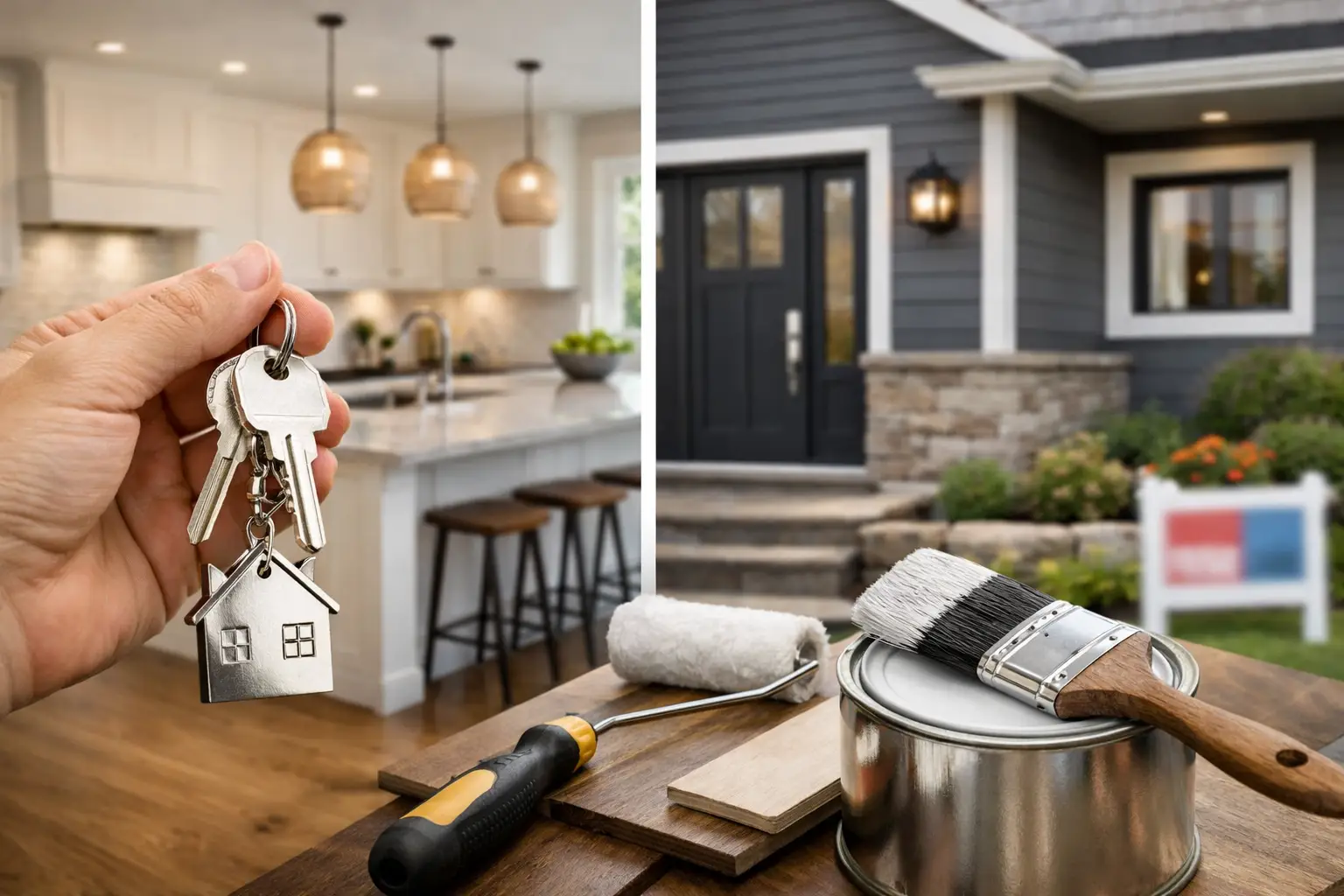
Buyers decide fast. Often before they’ve seen every bedroom, before they’ve processed the square footage, and definitely before they’ve calculated what your updates cost. That’s why the best upgrades before selling house are not the flashiest projects. They’re the ones that make the home feel clean, cared for, and easy to say yes to – without draining the equity you’re trying to protect.
Too many sellers get bad advice here. They’re told to remodel a kitchen, gut a bathroom, or pour money into custom features that won’t come back at closing. That approach helps contractors. It does not always help sellers. If your goal is to sell faster and keep more of your proceeds, the smarter move is targeted improvement, not renovation for renovation’s sake.
How to think about upgrades before you spend a dollar
Before you touch anything, ask one question: will this improve buyer perception enough to increase demand or reduce objections? If the answer is no, skip it.
A pre-sale upgrade should do at least one of three things. It should make the home photograph better online, show better in person, or remove a clear red flag that buyers will use to negotiate. If a project doesn’t help in one of those areas, it’s probably not one of the best upgrades before selling house.
This is where sellers lose money. They focus on what they personally always wanted to change instead of what the market actually notices. A buyer may not pay extra because you installed premium smart appliances. They will notice stained carpet, chipped paint, or a dark living room that feels tired.
The best upgrades before selling house usually start with paint
Fresh paint is one of the highest-impact, lowest-risk updates you can make. It instantly makes a home feel cleaner, brighter, and more move-in ready. For many buyers, that matters more than whether the finishes are brand new.
Stick with light, neutral colors. Warm whites, soft grays, and greiges tend to appeal to the widest pool of buyers. Bold accent walls, deep colors, and highly personal choices can make rooms feel smaller or harder to picture as their own.
There’s a trade-off, though. If your existing paint is already clean and neutral, repainting the entire house may be unnecessary. Focus on the areas that show wear most clearly – entryways, hallways, kitchens, bathrooms, and trim. Freshening the right zones often gets you most of the benefit without paying for a full repaint.
Flooring matters more than many sellers want to admit
Worn flooring sends a message. It tells buyers the house may need more work than they can see. Even if that isn’t true, perception drives offers.
If you have heavily stained carpet, torn vinyl, or scratched-up floors, this is often money well spent. Replacing old carpet with an affordable, durable option can improve both photos and showings. If you have hardwood under the wear, refinishing may be a better move than replacement.
But don’t overbuild. Luxury flooring throughout the home rarely creates a matching return if the rest of the property is middle-market. The goal is consistency and cleanliness, not turning a $350,000 house into a showroom with finishes priced for a different buyer.
Kitchens sell houses – but full remodels often don’t
This is where discipline matters. Buyers care about kitchens, but that doesn’t automatically mean you should spend $40,000 before listing.
Minor kitchen improvements usually beat major remodels when you’re selling. Painting dated cabinets, swapping old hardware, updating a faucet, replacing a worn light fixture, and adding a clean backsplash can change the feel of the room without blowing your budget. If the countertops are badly damaged, replacing them with a practical mid-range surface may make sense. If they’re merely dated but functional, leave them alone.
The same goes for appliances. Matching stainless steel can help if your current set looks pieced together or visibly worn. But replacing perfectly working appliances just to chase a trend is often a poor use of seller dollars.
Bathrooms need to feel clean, bright, and maintained
Buyers don’t expect every bathroom to look like a luxury spa. They do expect them to feel fresh.
That means re-caulking tubs and showers, fixing leaky faucets, replacing cracked mirrors, updating vanity lights, and making sure grout looks clean. A new mirror, simple hardware, and a crisp shower curtain can do more for buyer perception than expensive tile work in an older home.
If you have a bathroom with obvious functional issues, handle those first. Poor ventilation, water damage, or soft flooring are not cosmetic concerns. They create fear, and fearful buyers either walk or offer less.
Lighting is one of the most overlooked upgrades
A dark house feels smaller, older, and less inviting. A bright house feels cleaner and more valuable. That shift happens fast, especially in listing photos.
Replace outdated fixtures where they distract, especially in dining rooms, entryways, and bathrooms. Use consistent bulbs with a warm, natural tone. Open blinds, clean windows, and trim back landscaping that blocks light. In many homes, better lighting changes the entire showing experience for a fraction of what sellers spend on bigger projects.
This is especially true in Central Ohio, where gray days are part of the package for much of the year. If your home already struggles for natural light, artificial lighting needs to do more work.
Curb appeal still does heavy lifting
Buyers start judging the house before they park. If the exterior looks neglected, they assume the interior may be too.
The good news is that curb appeal upgrades do not need to be dramatic. Fresh mulch, trimmed bushes, edged beds, a pressure-washed walkway, and a painted front door can transform the first impression. Replace a tired mailbox, update house numbers, and make sure the porch light looks intentional, not forgotten.
If the siding is dirty, clean it. If the front door is faded, paint it. If the lawn is patchy, improve it as much as the season allows. These are the kinds of details buyers notice instantly and remember later when they compare homes.
Fix the small defects buyers love to weaponize
Loose handles. Squeaky doors. Missing outlet covers. Dripping faucets. Running toilets. These aren’t expensive problems, but they create expensive doubt.
When buyers see a cluster of minor defects, they start wondering what bigger issues haven’t been maintained. That changes the whole tone of the showing. Instead of seeing value, they start building a repair list in their head.
One of the smartest pre-sale moves is simply walking through the property as if you were the pickiest buyer on the market. Then fix every obvious annoyance. It’s not glamorous, but it protects your negotiating position.
Decluttering and staging-lite count as upgrades too
Not every upgrade comes from a contractor. Sometimes the best return comes from removing distractions.
A crowded room looks smaller. An overfilled closet suggests limited storage. Too much furniture interrupts flow and makes the home feel harder to live in. Pulling out excess pieces, clearing countertops, organizing shelves, and simplifying decor can make the property feel larger and more expensive.
Professional staging can be worth it in some price points and in vacant homes. But many occupied homes benefit from a lighter version – cleaner layouts, neutral bedding, simple accessories, and enough open space for buyers to imagine themselves there.
What not to upgrade before selling
The wrong project can eat thousands of dollars and still fail to move the needle. That’s why knowing what to skip matters just as much as knowing what to do.
Be careful with major kitchen and bath remodels, high-end custom finishes, room additions, luxury landscaping, and anything highly style-specific. Pools, elaborate built-ins, premium wallpaper, and top-tier designer fixtures often appeal to a narrower audience than sellers expect. You may love them. Buyers may see upkeep, not value.
Also be cautious about upgrading beyond your neighborhood. If surrounding homes in your area are selling based on condition and location, not luxury finishes, overspending on premium materials can make your house nicer without making it more profitable.
The real goal is a stronger sale, not a bigger project list
The best sellers are not the ones who spend the most before listing. They’re the ones who spend with precision. They know which updates create momentum and which ones simply burn equity.
If you’re preparing to sell, think like an investor, not a renovator. Improve what buyers will notice, repair what they’ll question, and leave the ego projects behind. That’s how you make the house more marketable without handing away the very profit you’re trying to protect.
A smart sale is not about doing everything. It’s about doing the right things, then bringing the home to market with a pricing and marketing strategy built to convert attention into offers. Keep that standard, and every dollar you spend before listing has a job to do.